
Projects and partners
Kinross Fort Knox
University of Alaska Fairbanks
National Parks Service
U.S. Fish and Wildlife Service
Bureau of Land Management
Alaska Department of Fish and Game
Alaska Department of Natural Resources
Wildlife Conservation Society
Tanana Valley Watershed Association
National Ecological Observation Network (NEON)
Kingfischer Consulting
Fjord and Fish Sciences
Equity Exploration Consultants Ltd.
North American Fish and Wildlife Society
Woodwell Climate Research Center
And more!
Our partners and funders
What people are saying about Tributary Research Consulting
Project Highlights
MTBA Nesting Bird Surveys
Client: Kinross Fort Knox
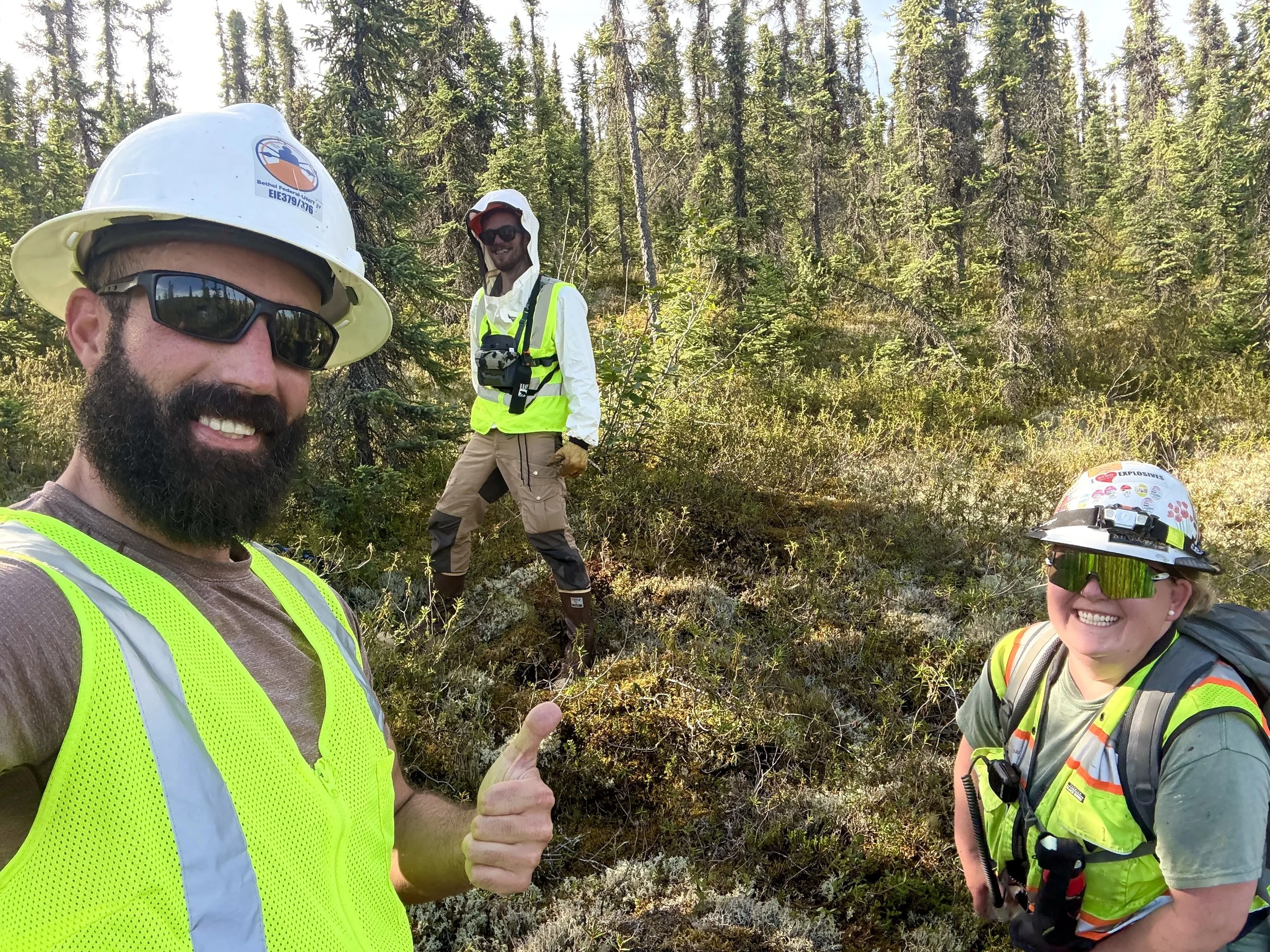
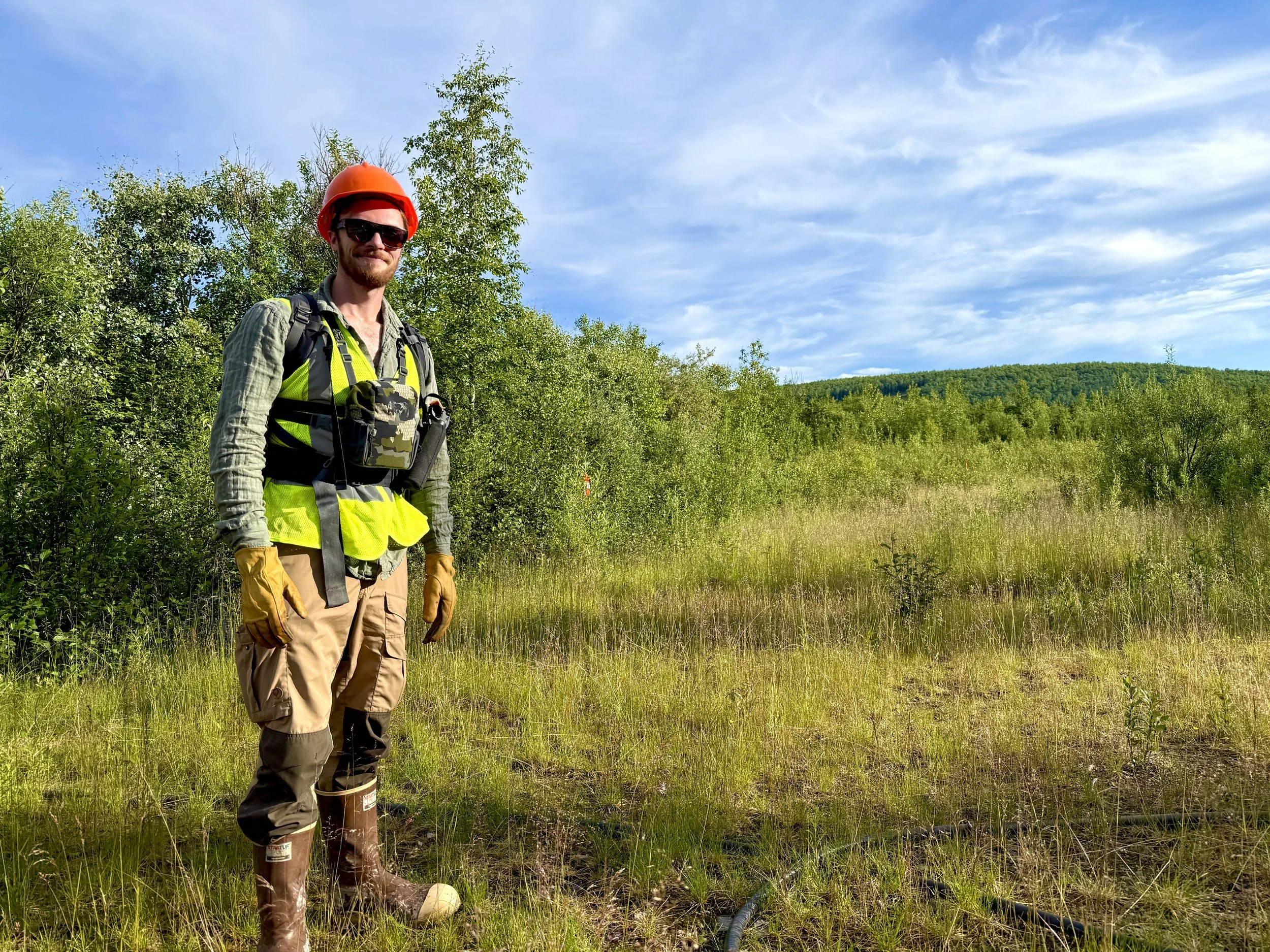
Clearing the way for responsible development starts with making sure no birds are home first. We conducted nesting bird surveys for Kinross's Fort Knox mine ahead of development and exploration work, supporting compliance with the Migratory Bird Treaty Act (MBTA). Working on short notice during the nesting season, our staff surveyed the area using transect and point samples. Reach out today if you need bird surveys for a project in Interior Alaska!
Cripple Creek stream restoration
Collaborators: U.S. Fish and Wildlife Service, Fairbanks Soil and Water Conservation District
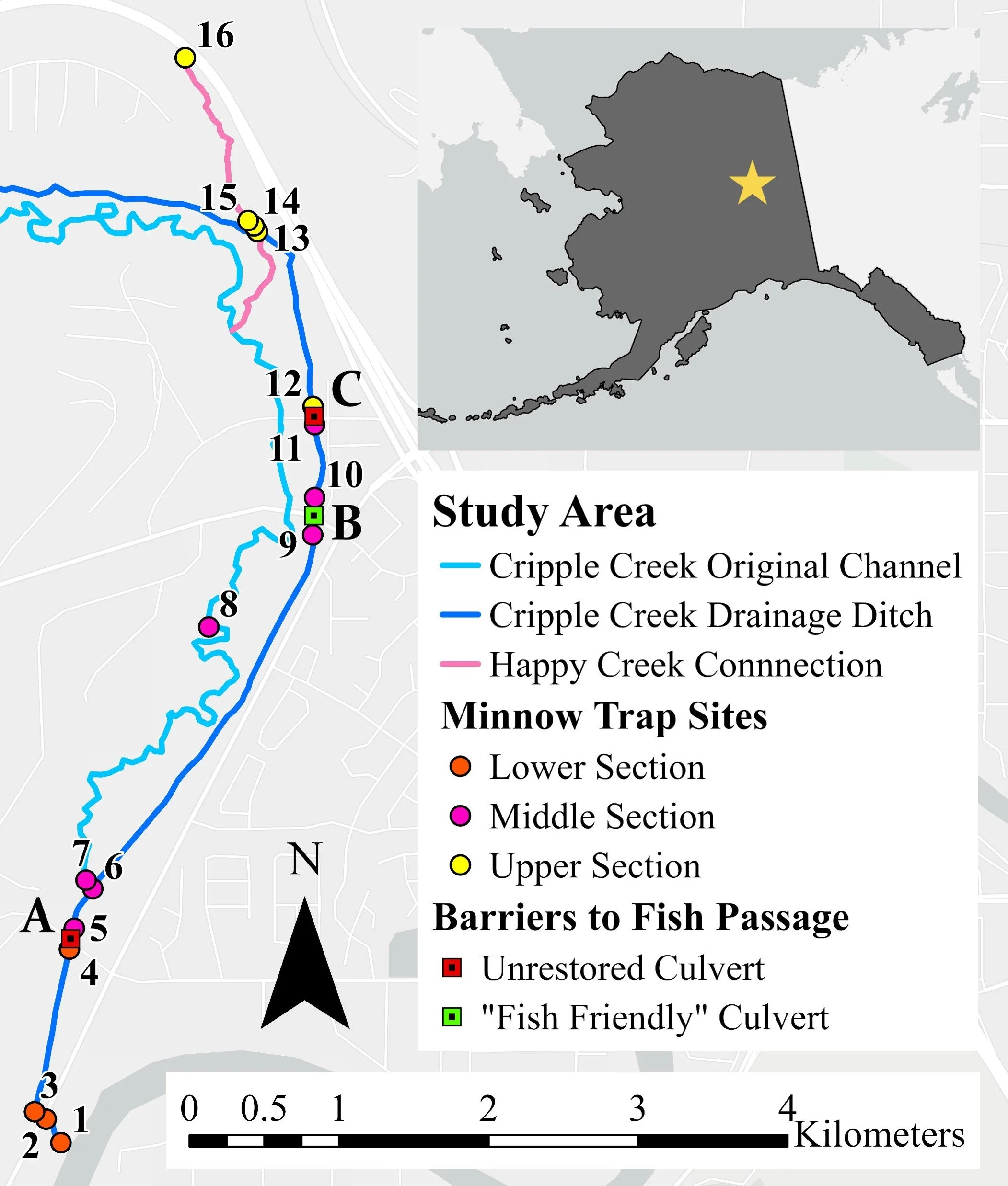
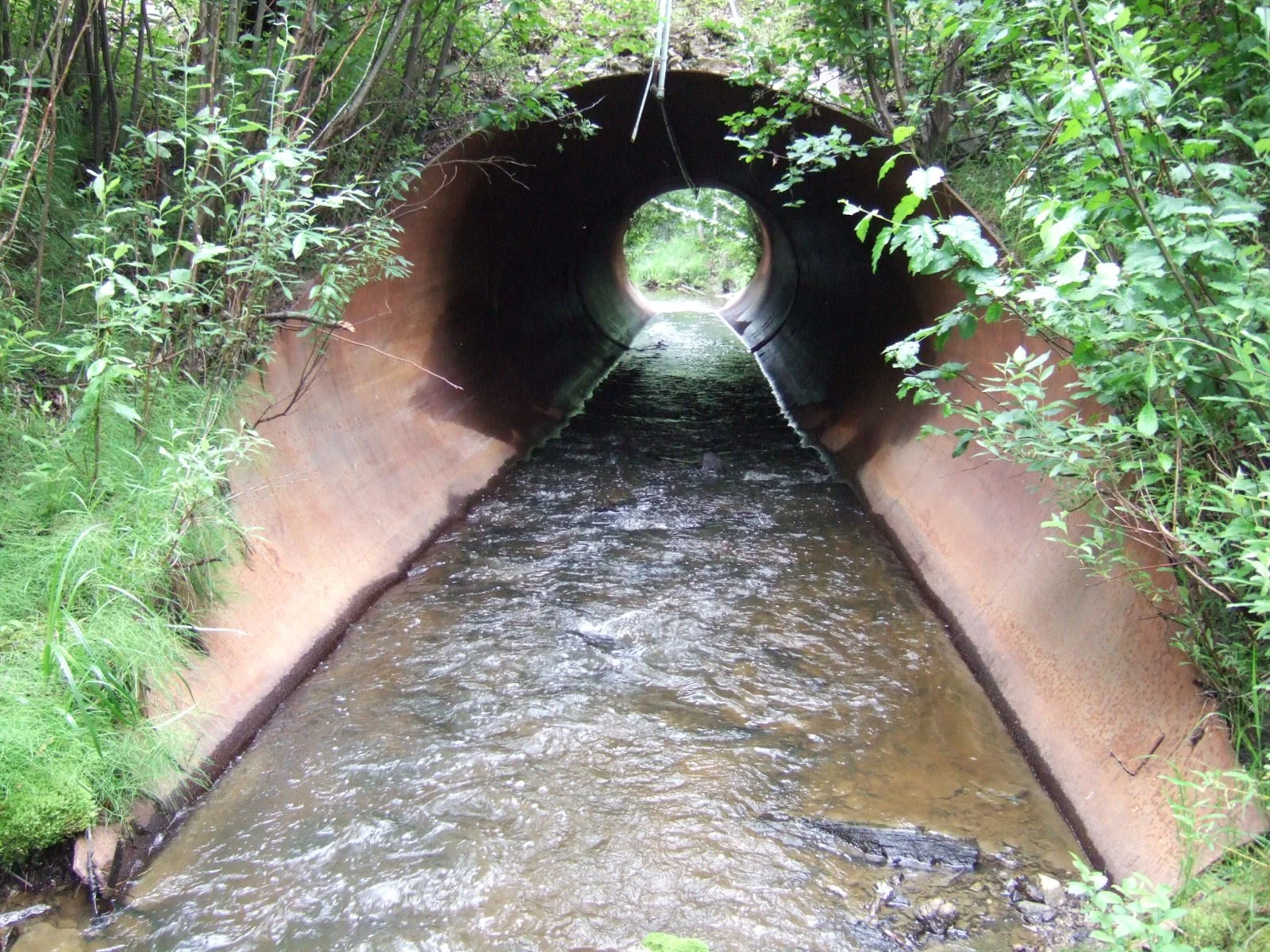
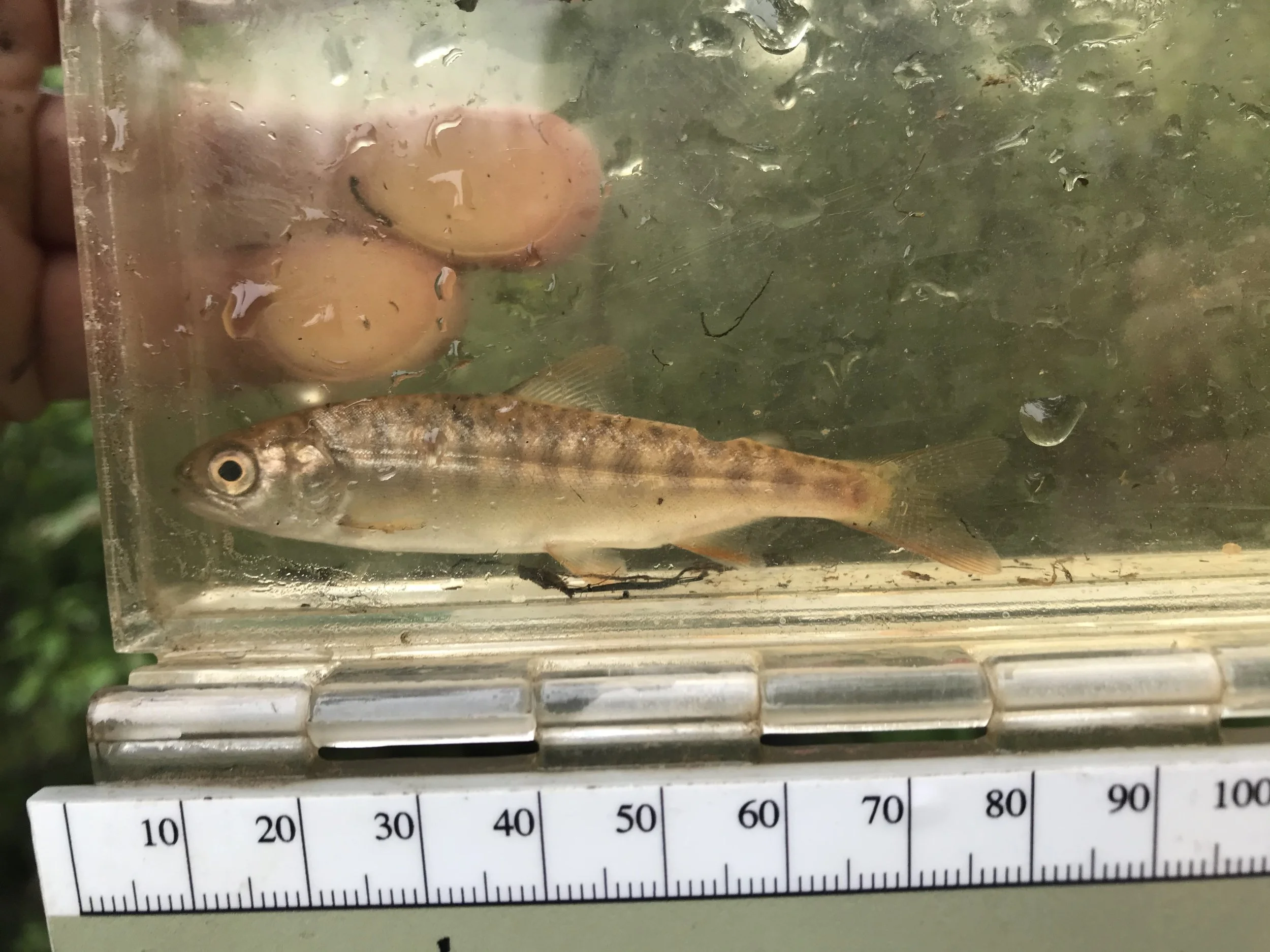
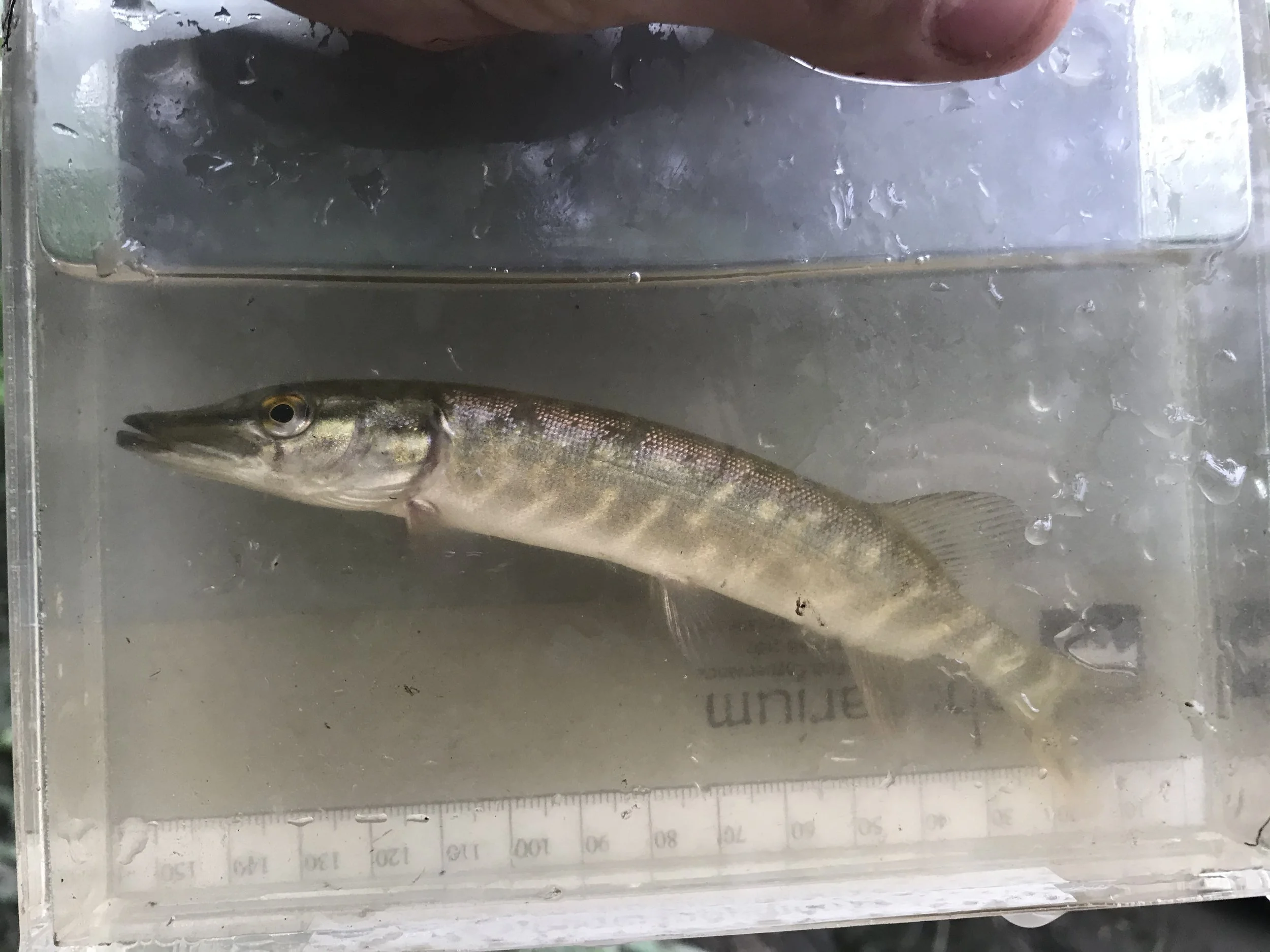
Fragmentation of freshwater habitat negatively impacts riverine fish communities and habitat restorations—which often include retrofitting/replacing culverts—are conducted widely to restore stream connectivity. Monitoring fish assemblages in impaired habitats prior to restorations is necessary to justify the significant costs required for restoration work and to demonstrate the efficacy of habitat improvements. To characterize the fish community prior to an ongoing restoration of Cripple Creek in Interior Alaska, fish catch data from 2018–2020 were analyzed for abundance, distribution, and size trends with a focus on the two most prevalent species, Lake Chub (Couesius plumbeus), and Longnose Sucker (Catostomus catostomus). We found that the weekly mean length of Lake Chub increased during the 2020 summer, suggesting that fish are using the Cripple Creek drainage for rearing. Mean fish length was greater, and abundance was consistently lower in an upper section of the creek compared to the lowest section, supporting the idea that unrestored culverts limit fish passage, especially for smaller fish with weaker swimming abilities. Additionally, we recorded the first juvenile Chinook Salmon (Oncorhynchus tshawytscha) observed in the Cripple Creek drainage. These findings provide justification for the ongoing Cripple Creek restoration project and suggest that fish passage improvements are necessary in Interior Alaska. We are actively involved in ongoing biomonitoring, post-restoration evaluation, and future project planning.
Subsistence Foods Baseline Contaminants Report
Project PI: Dr. Morgan Bender (Fjord & Fish Sciences)
Funder: Oil Spill Recovery Institute
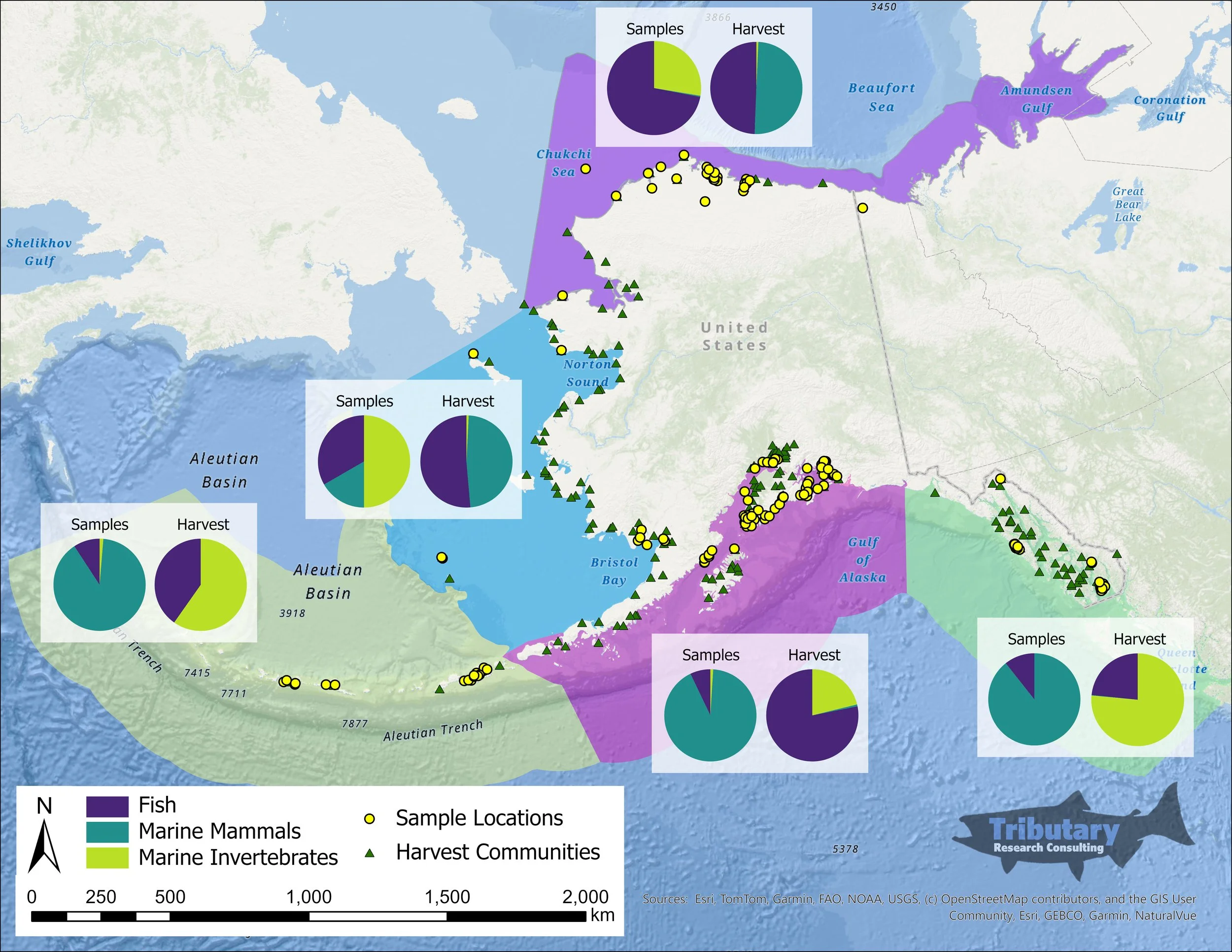
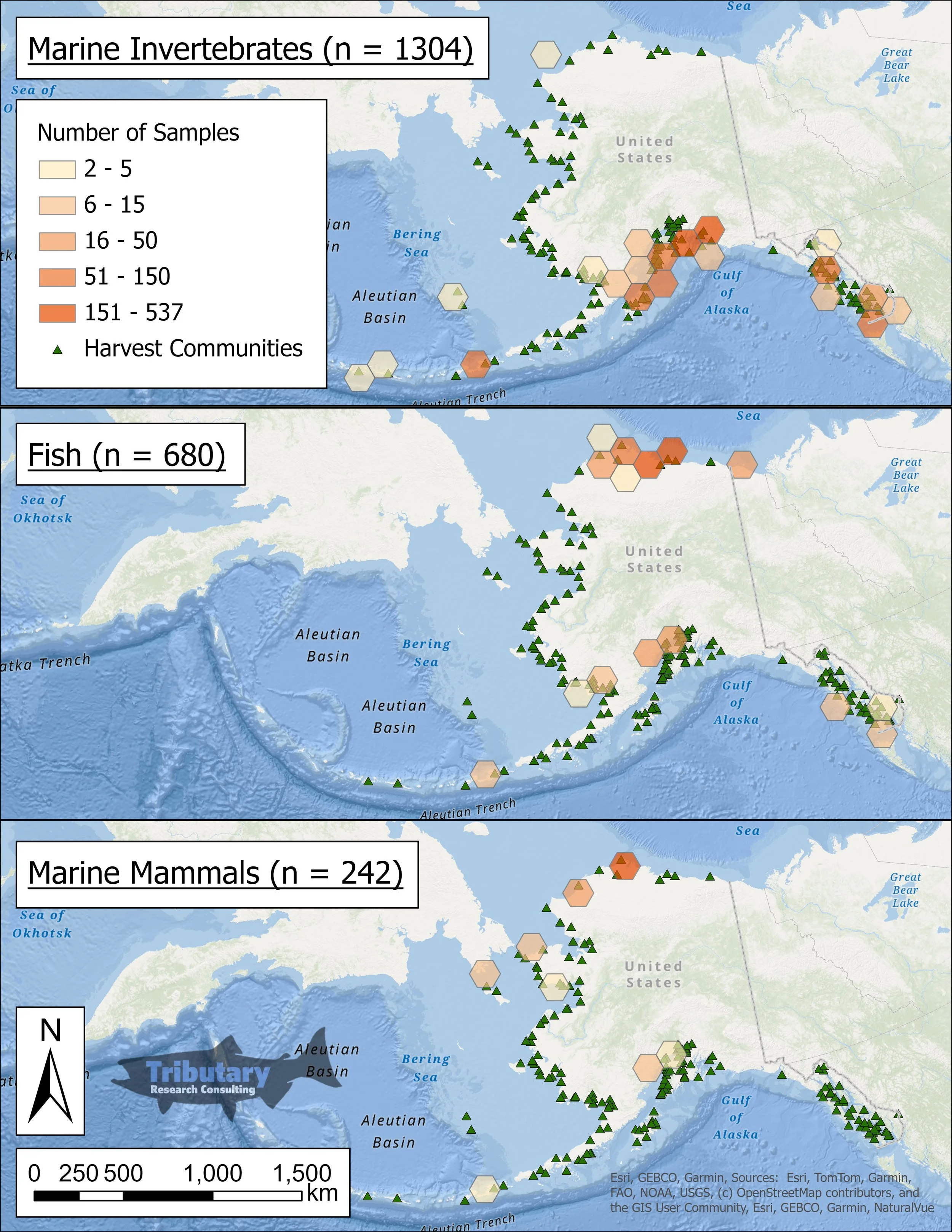
We partnered with Fjord & Fish Sciences to conduct a comprehensive literature review and meta-analysis about Polycyclic Aromatic Hydrocarbons (PAH) contaminants in marine foods. This project includes over 260,000 data points from 2300 individual samples across Alaska’s oceans and represents the first statewide meta-analysis focused exclusively on hydrocarbon contamination in Alaskan seafood.
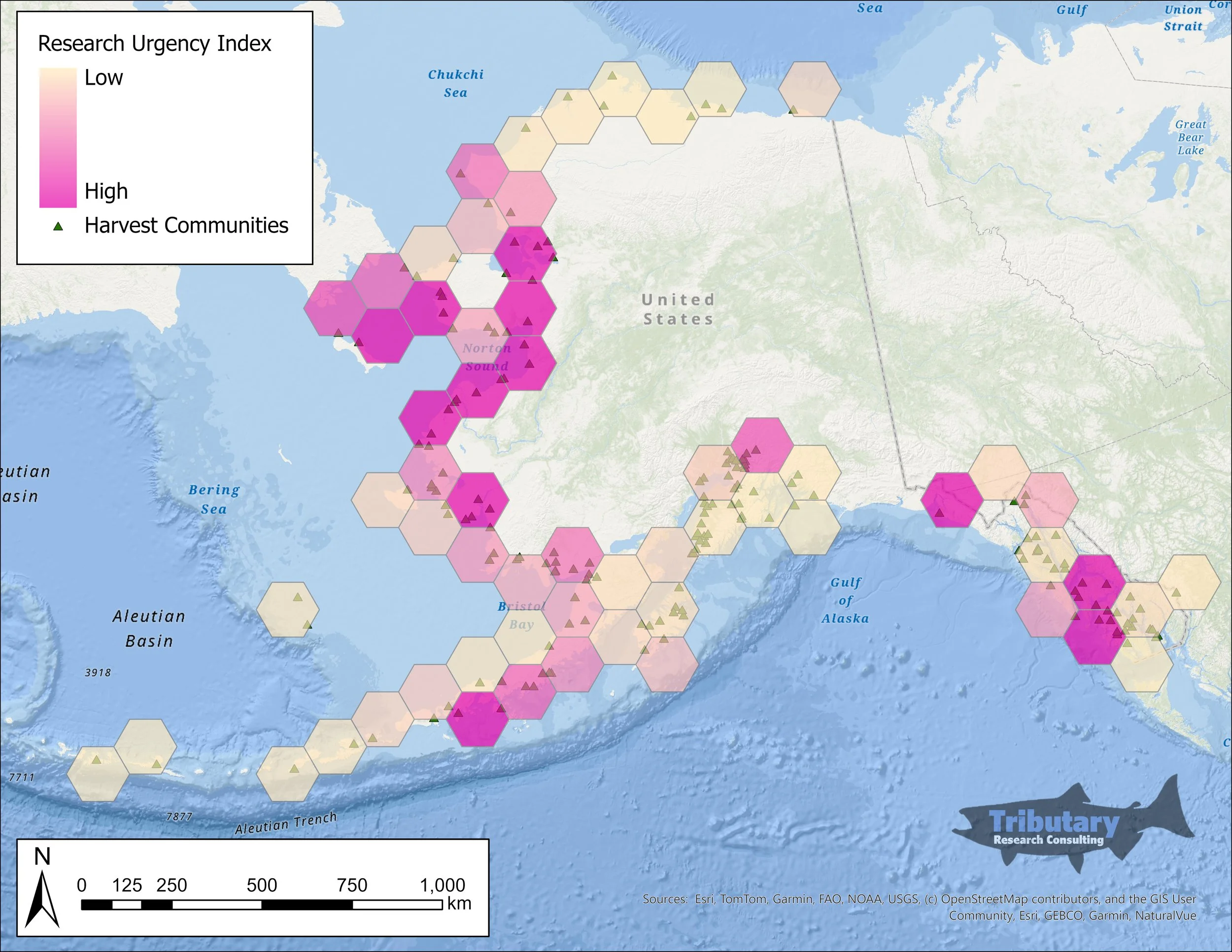
We summarized how subsistence harvest compares to PAH sampling effort across five broad regions in Alaska. We then took the analysis further by comparing regional PAH sampling patterns across important taxonomic groups, including fish, marine mammals, and marine invertebrates. Finally, we provided our recommendations for future research and sampling efforts to focus on areas with high harvest and low prior sampling efforts. Overall, this work will be critical in understanding how marine hydrocarbon contamination may be affecting Alaskans’ public health and food security.
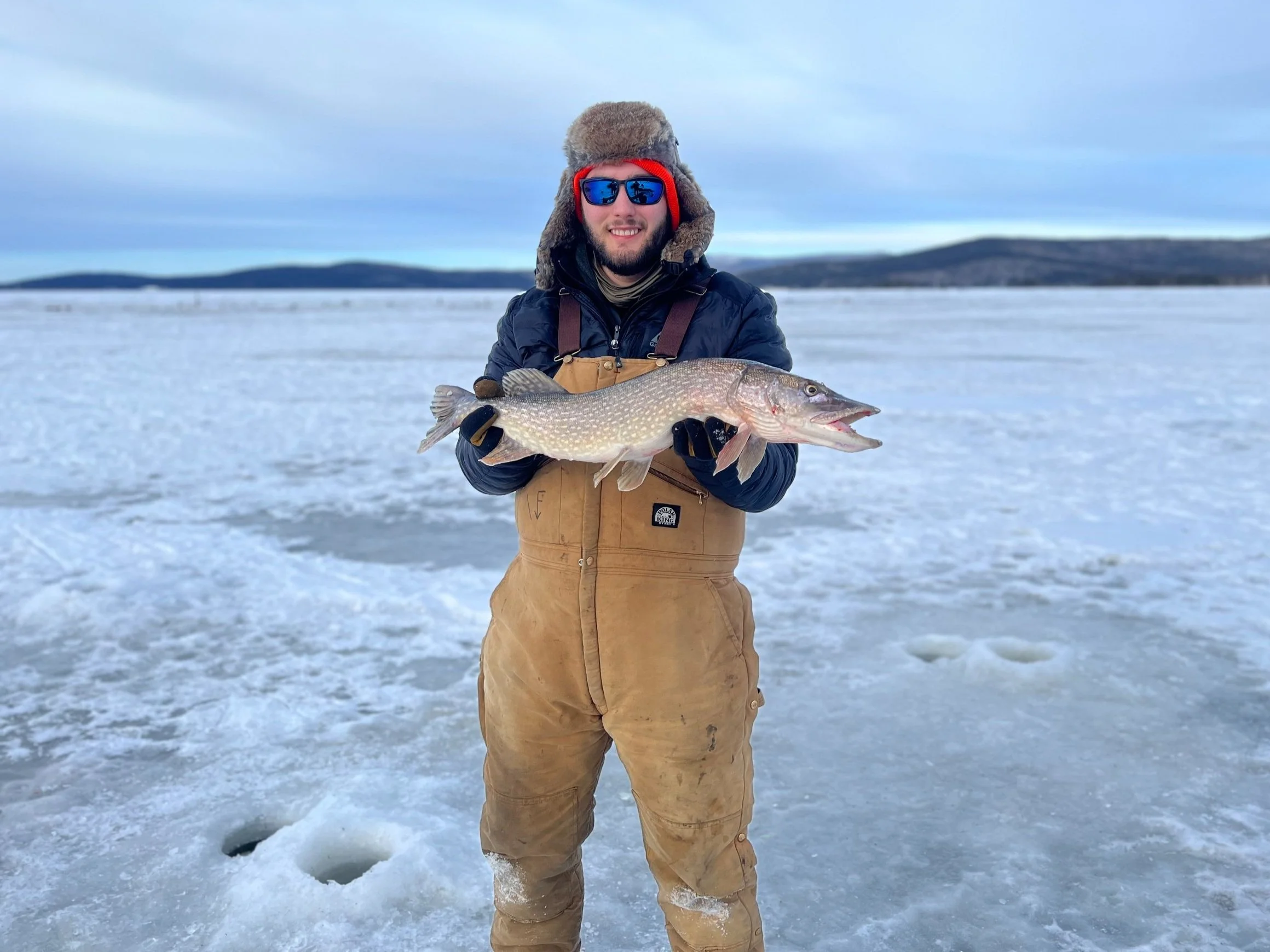
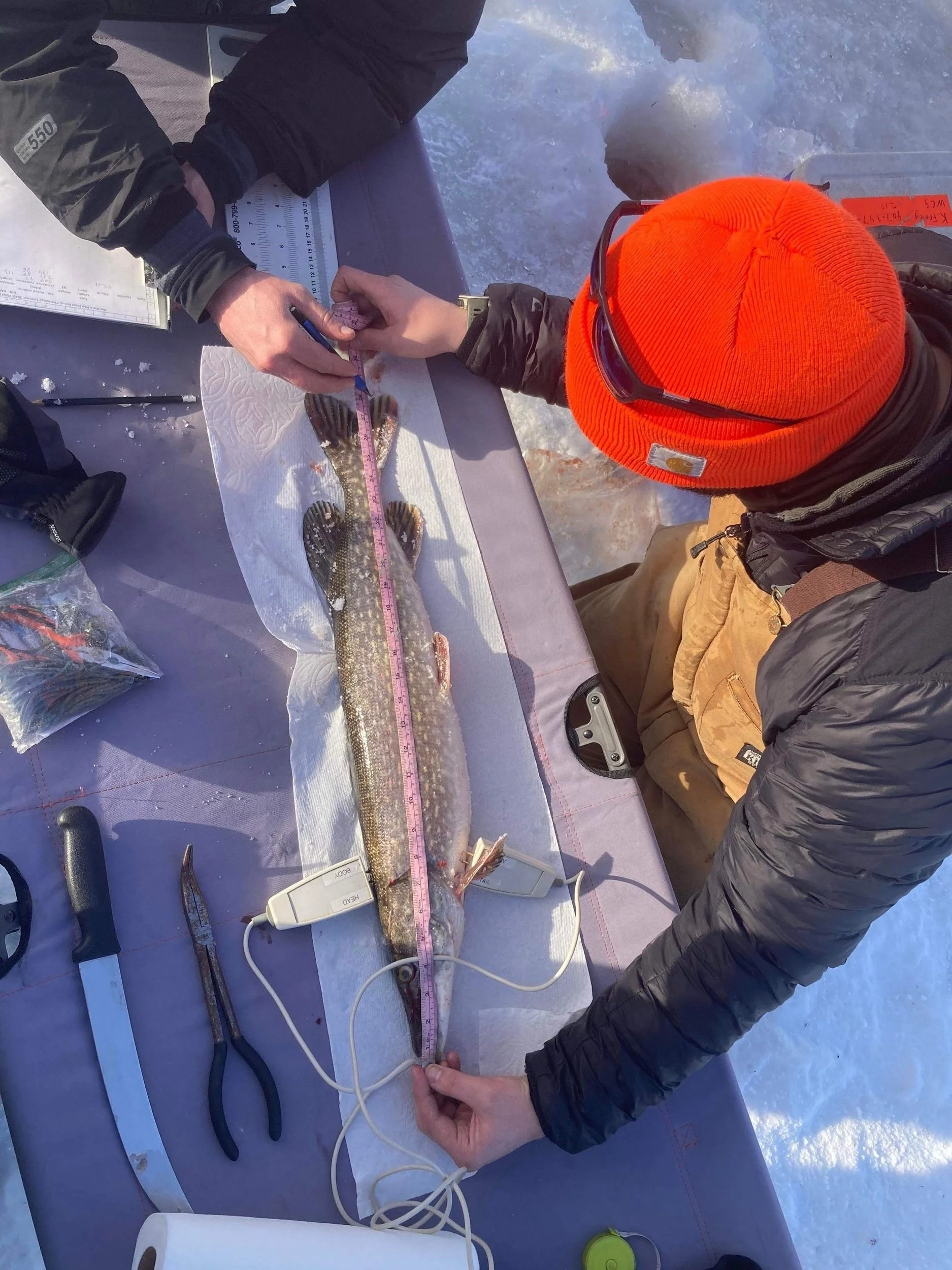
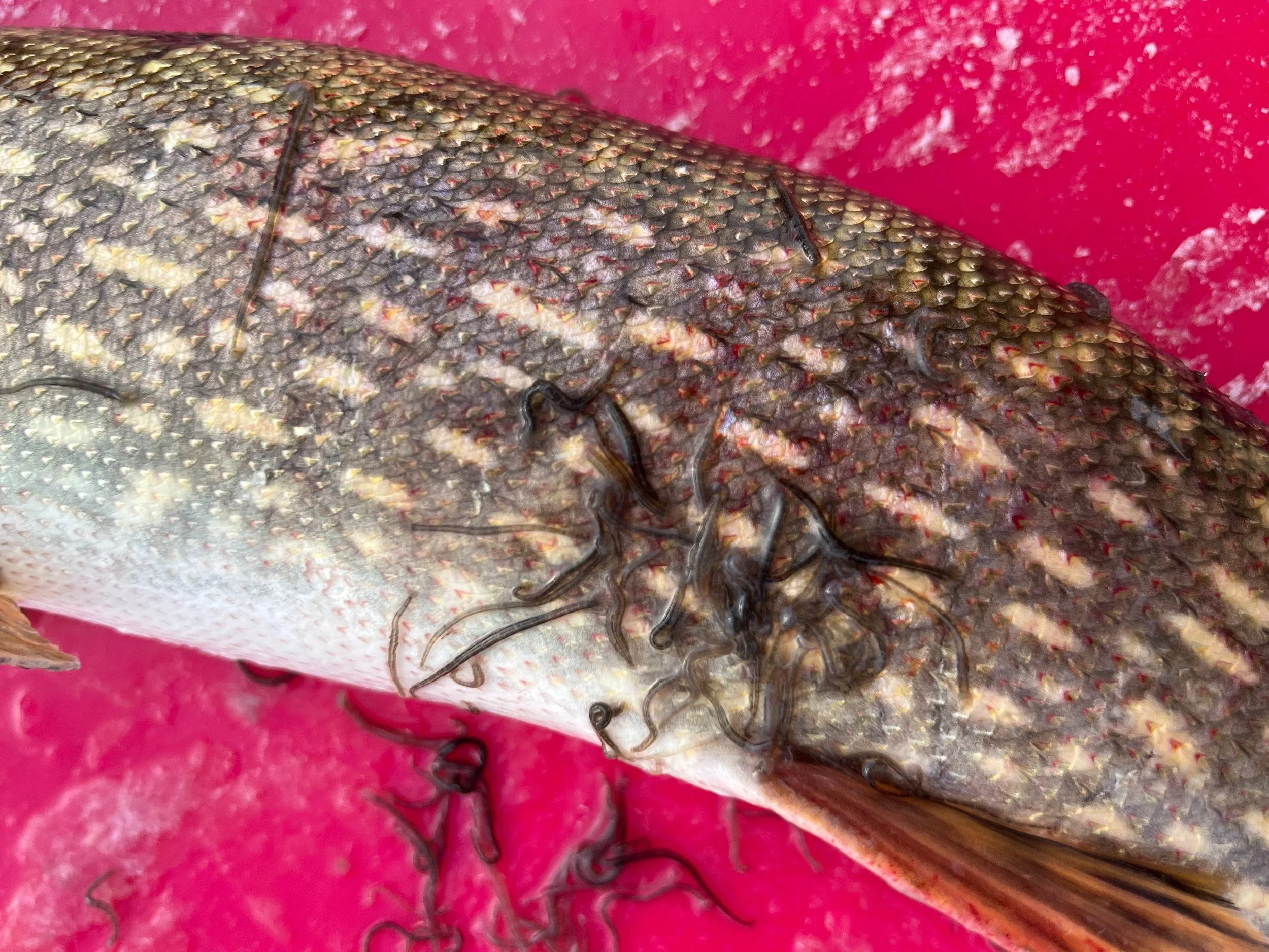
Abnormally high piscicolid leech infestations on Northern Pike in Interior Alaska
Collaborators: Kevin Fraley (Wildlife Conservation Society), Morag Clinton (Sitka Sound Science Center), Taylor Cubbage (Alaska Department of Fish and Game), and Joe Spencer (Alaska Department of Fish and Game and University of Alaska Fairbanks)
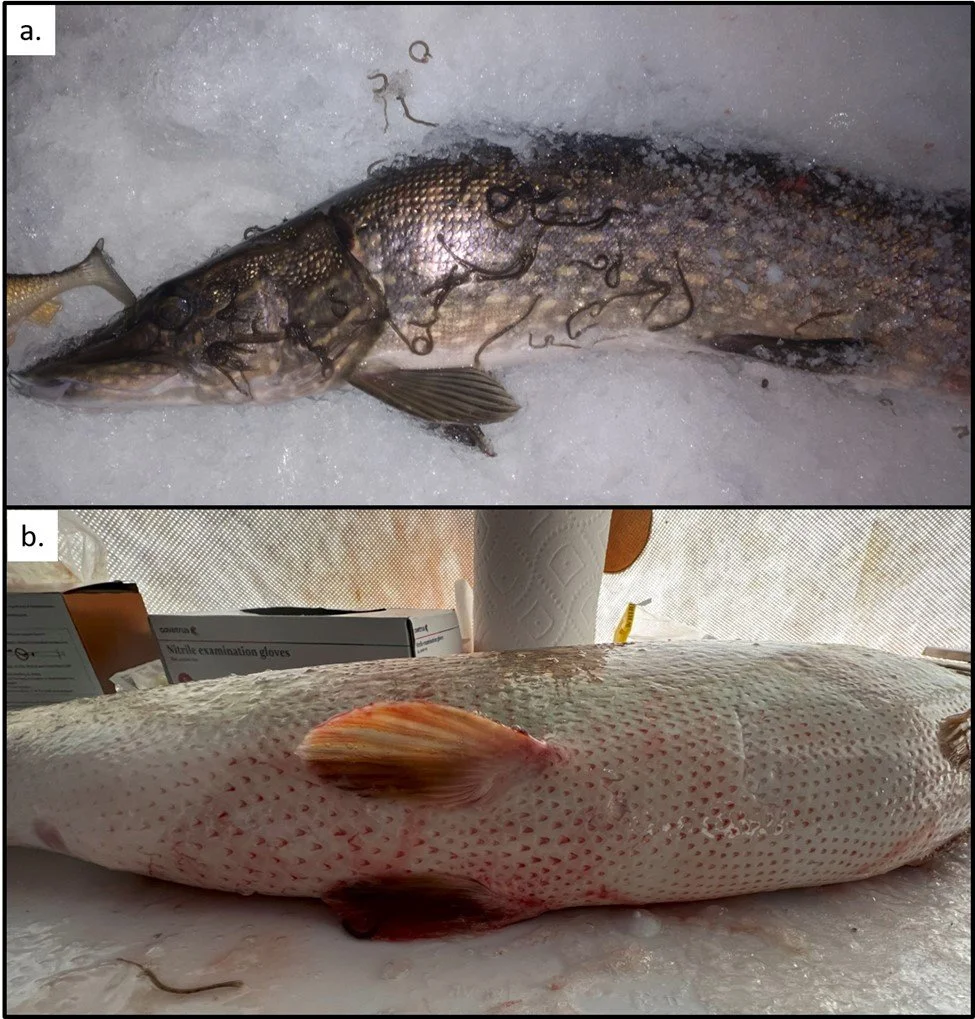
We partnered with the Wildlife Conservation Society to study the impact of parasite infestations and environmental contaminants on a subsistence fish species, Northern Pike (Esox lucius). Residents and anglers at the community of Healy Lake in Interior Alaska have noted increased amounts of aquatic vegetation, shallower water, and abnormally high numbers of fish leeches attached to northern pike in recent years. Leech infestation is particularly intense during the winter months. In response to these reports, we examined forty-two pike caught through the ice in winter 2023 and 2024 to characterize the prevalence and intensity of leech infestation, understand the effects on fish health, and explore possible connections between contaminants, such as mercury, that could lower fish fitness and immune response. Normal numbers of leeches on overwintering fish in nearby water bodies are typically <10 per fish. However, we found pike carrying as many as 481 leeches on their skin, gills, mouth, and fins. This represents the most intense infestation of fish leeches ever recorded for freshwater fish. Qualitatively, pike with high numbers of leeches attached exhibited damage to the skin, erythema, and bleeding. There appears to be no link between contaminants and leech infestation, though levels of total mercury (THg) in pike filets from the lake (maximum 750 ppb) may be above the State of Alaska unrestricted fish consumption guideline levels (200 ppb Monomethyl mercury+ [MeHg+] advisory level; MeHg+ comprises ~80% of total mercury). There was no clear correlation between pike body condition and leech infestations or environmental contaminants, but some fish that suffered from heavy infestations displayed extremely poor body condition. It is unknown if this high prevalence of leeches is typical historically, but long-term negative effects on pike physiology, survival, productivity, and the overall population are likely. Overall, the intense piscicolid leech infestation in Healy Lake may be a forecast of negative impacts on fish populations from lake drying in high latitudes due to climate change and represents important baseline data in advance of proposed mineral mines in the watershed upstream of the lake that could contribute to sedimentation and mobilization of heavy metals in the aquatic habitats downstream.
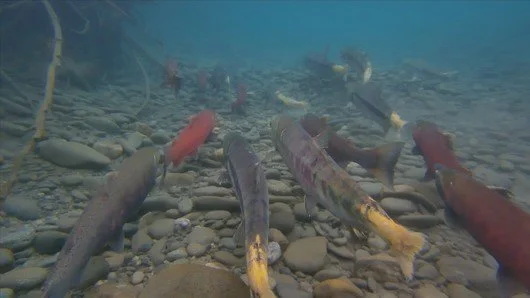
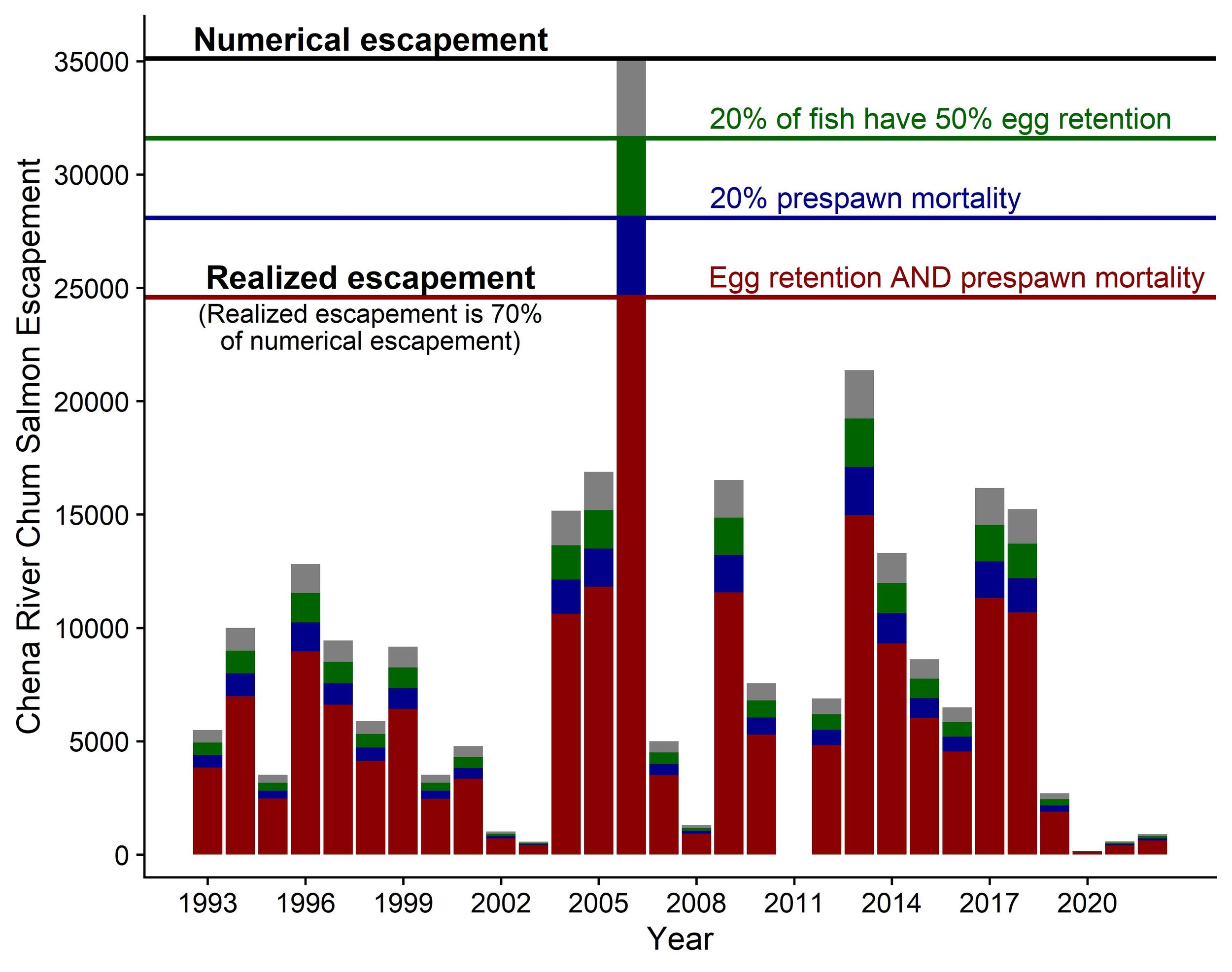
Yukon River drainage Chum Salmon pre-spawn mortality rates and potential drivers
Project PI: Kevin Fraley (Wildlife Conservation Society)
Collaborator: Wyatt Snodgrass (U.S. Fish and Wildlife Service)
Funder: U.S. Bureau of Land Management
The Wildlife Conservation Society, U.S. Fish and Wildlife Service, and Tributary Research Consulting recently had a study funded to investigate potential vulnerabilities of spawning Chum Salmon (Oncorhynchus keta) in Yukon River tributaries. Prespawn mortality is a phenomenon in which adult salmon arrive at the spawning grounds, but fail to successfully spawn, resulting in retention of unused gametes within the bodies of expired fish. Prespawn mortality has been documented to occur in Yukon River drainage Chum Salmon, which are declining in abundance and have not been available for harvest by subsistence fishers in several years, yet the rates and impact of this phenomenon are unknown. Thus, the goal of this project is to characterize rates and possible causes of prespawn mortality in Yukon River Chum Salmon in order to generate a correction factor (“realized escapement” vs in river escapement) that managers can apply to escapement data to enhance the accuracy of spawning salmon abundance estimates with respect to spawning success. Additionally, the project may offer insights into other factors affecting Chum Salmon population declines. The figures presented here represent theoretical relationships and are not derived from real data. Ongoing research will assess the accuracy of these hypothesized relationships.
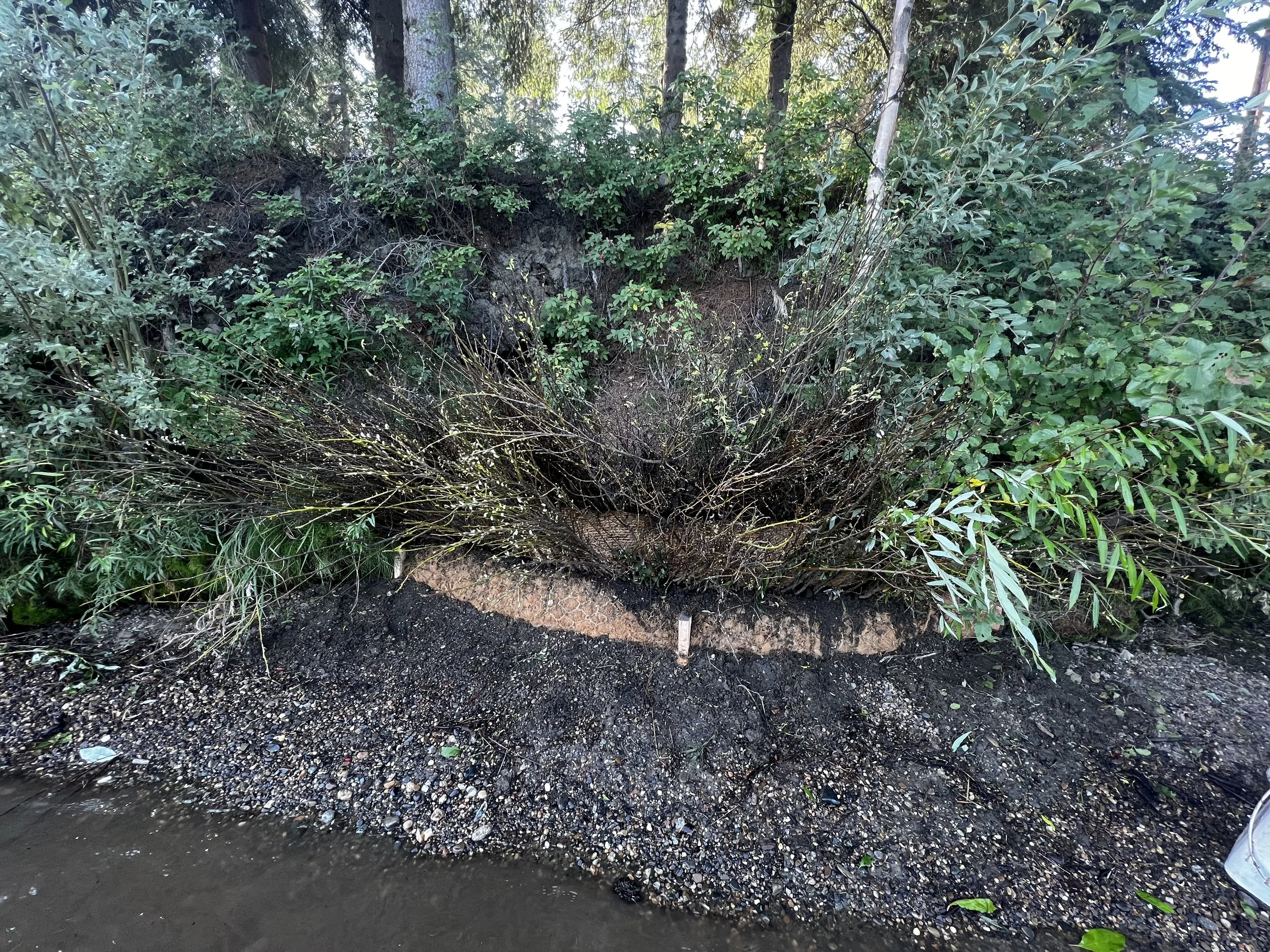
Streambank stabilization
Collaborators: Tanana Valley Watershed Association, U.S. Fish and Wildlife Service, and the Alaska Department of Fish and Game
We are partnering with the Tanana Valley Watershed Association, the U.S. Fish and Wildlife Service, and the Alaska Department of Fish and Game to conduct and support streambank stabilization projects in 2025 and 2026. We are actively seeking to increase our involvement in stream restorations and streambank stabilization, including for private landowners, so reach out if you need help completing a project. Check back in for more details soon!
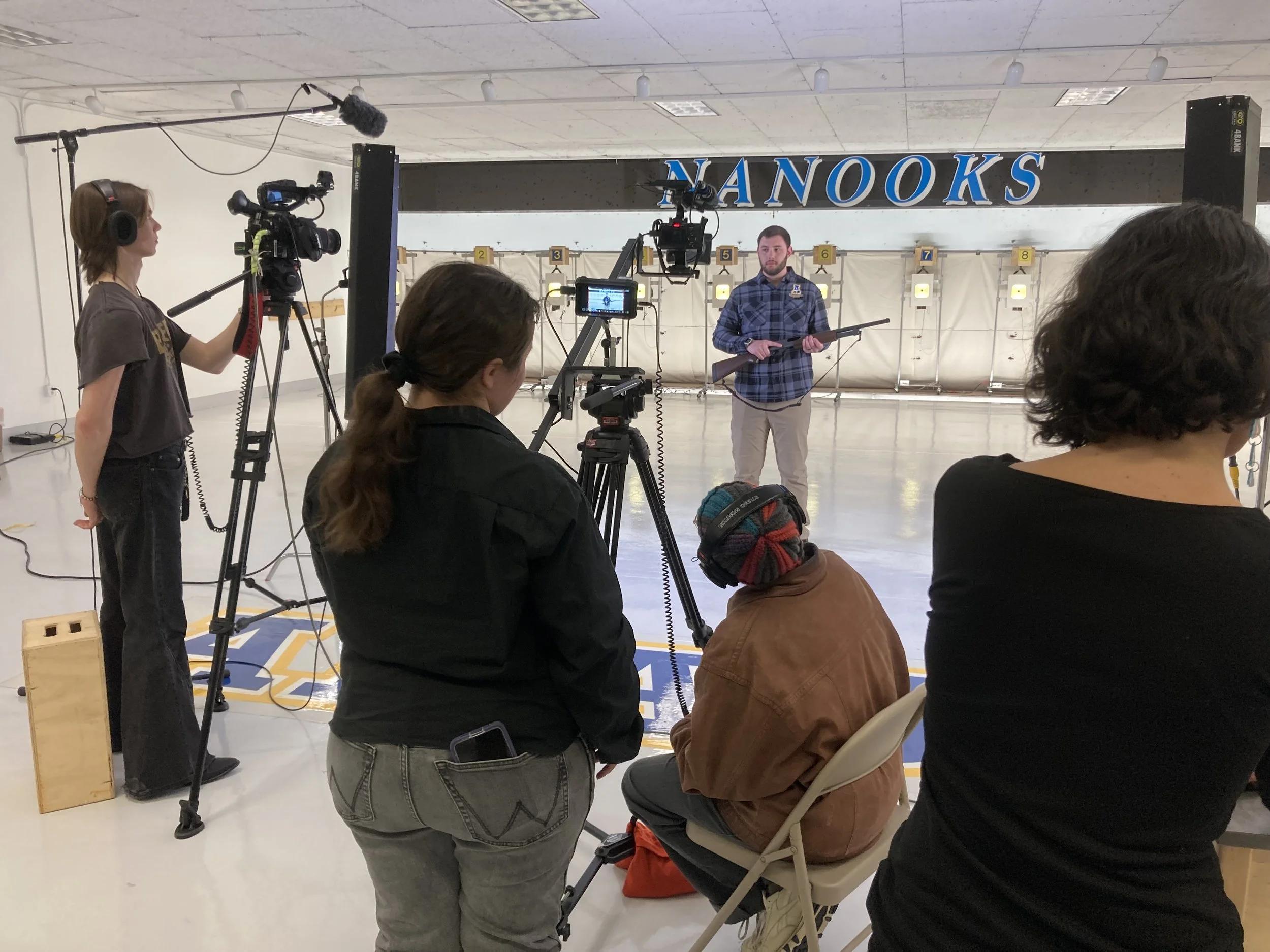
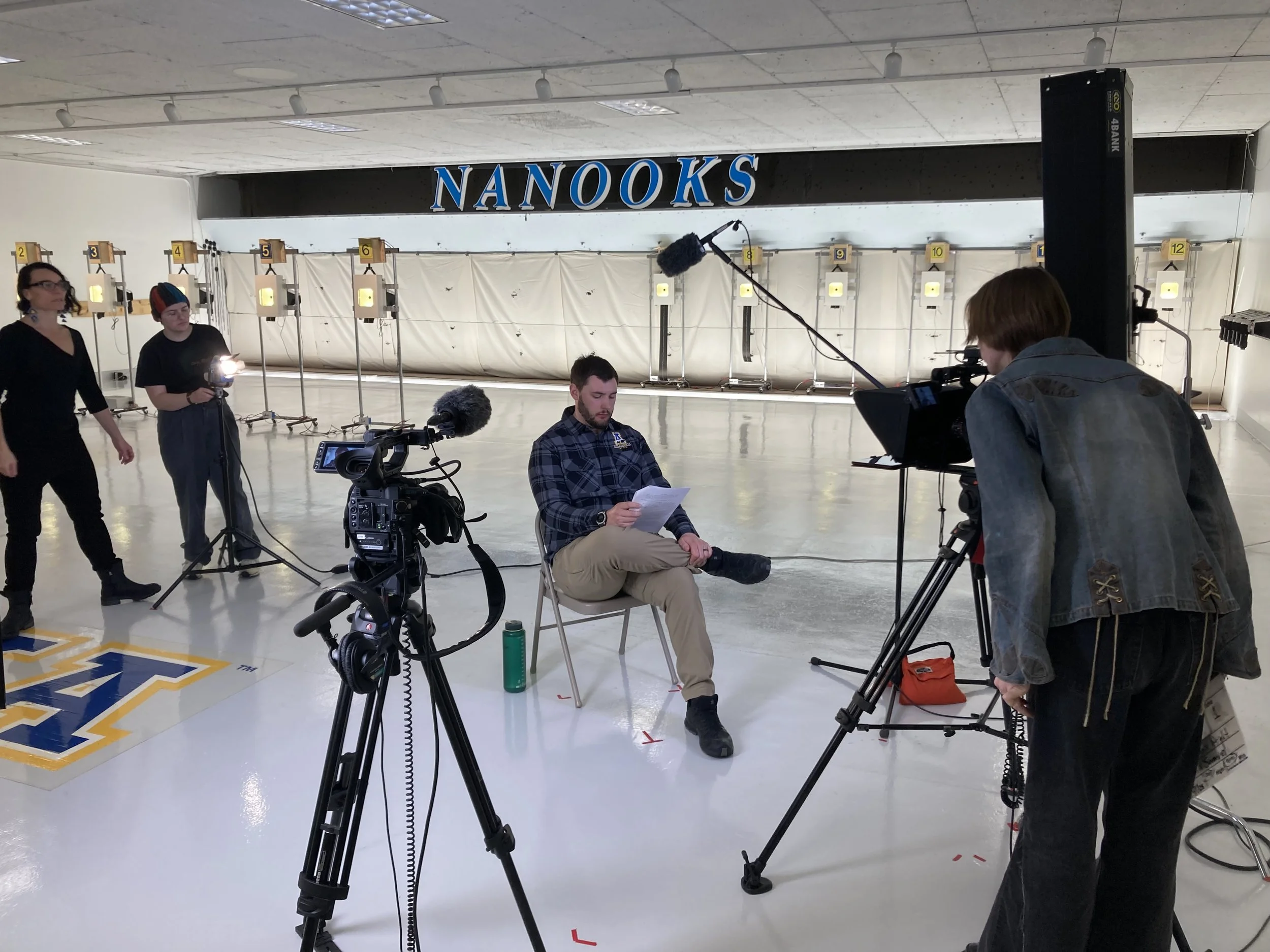
University of Alaska Fairbanks - Field Firearms Safety Film
Collaborators: UAF FRAME Team, Bethany Graves, and UAF Rifle Coaches Will Anti and Randi Loudin
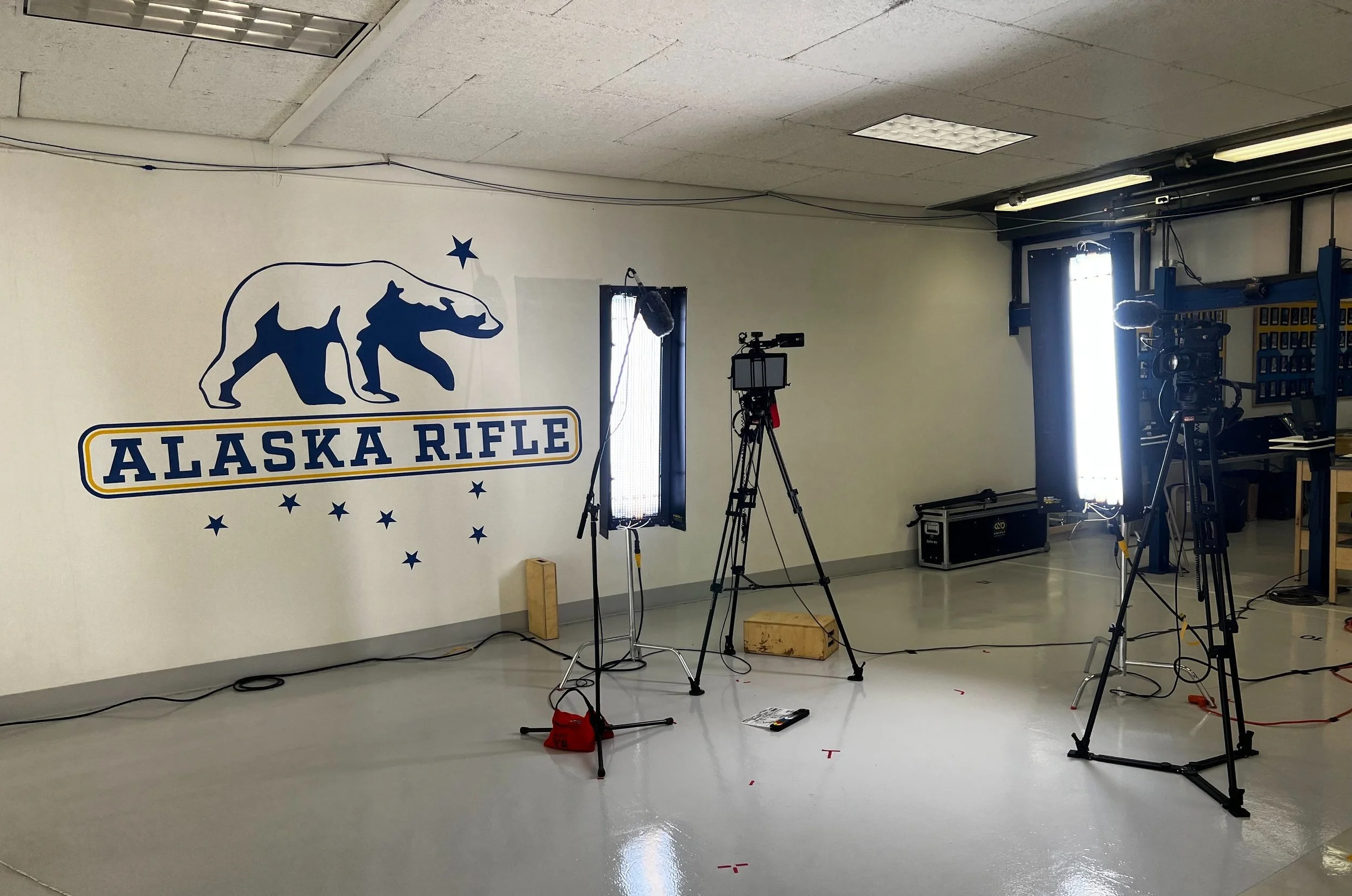
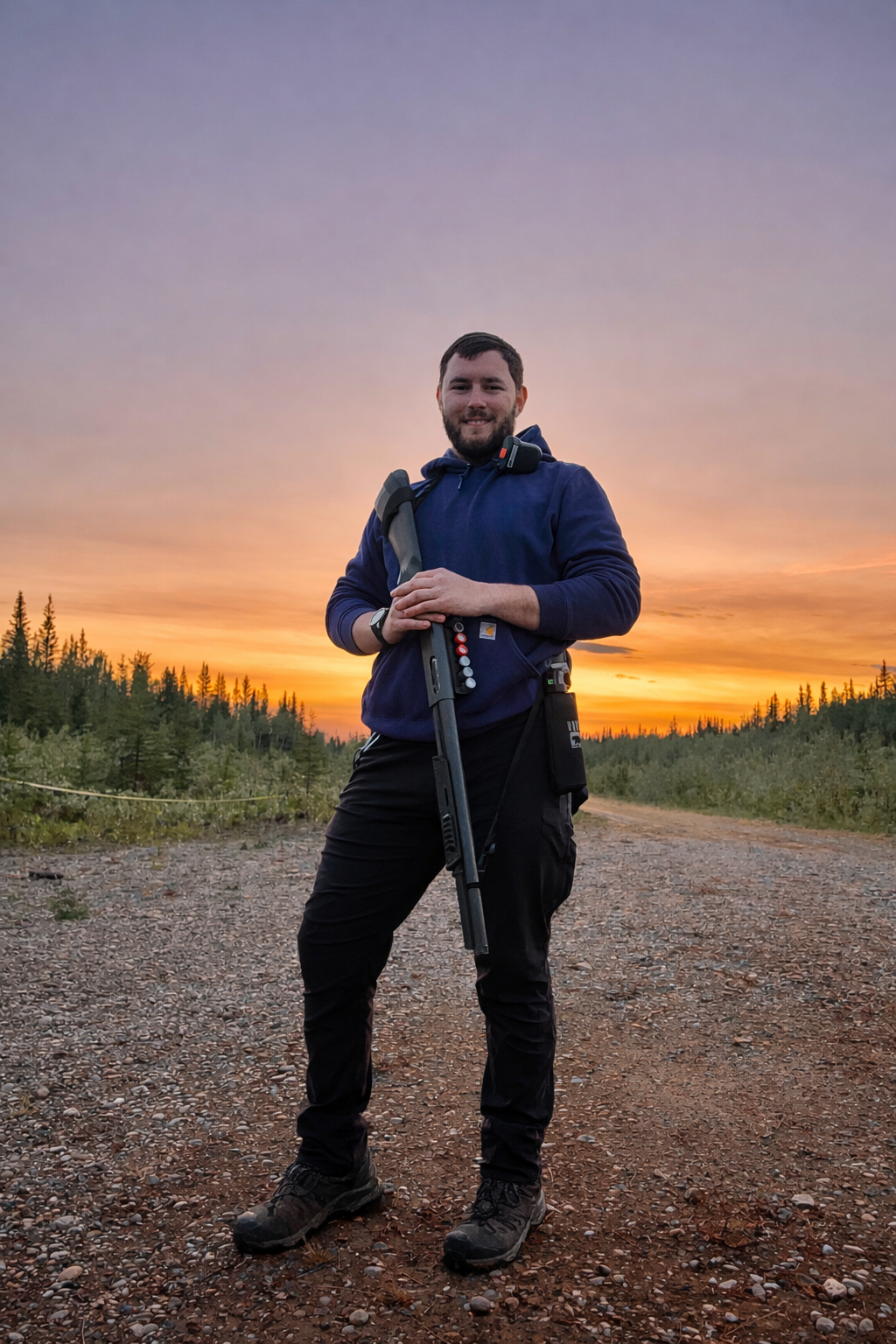
In addition to the bear defense classes that we host for UAF and numerous other organizations, we consulted with UAF to review their internal firearms policies and produce a firearms safety film for researchers who use firearms for bear defense in the field. The film was completed in the Summer of 2025.
Bear Guarding for Wildland Firefighters
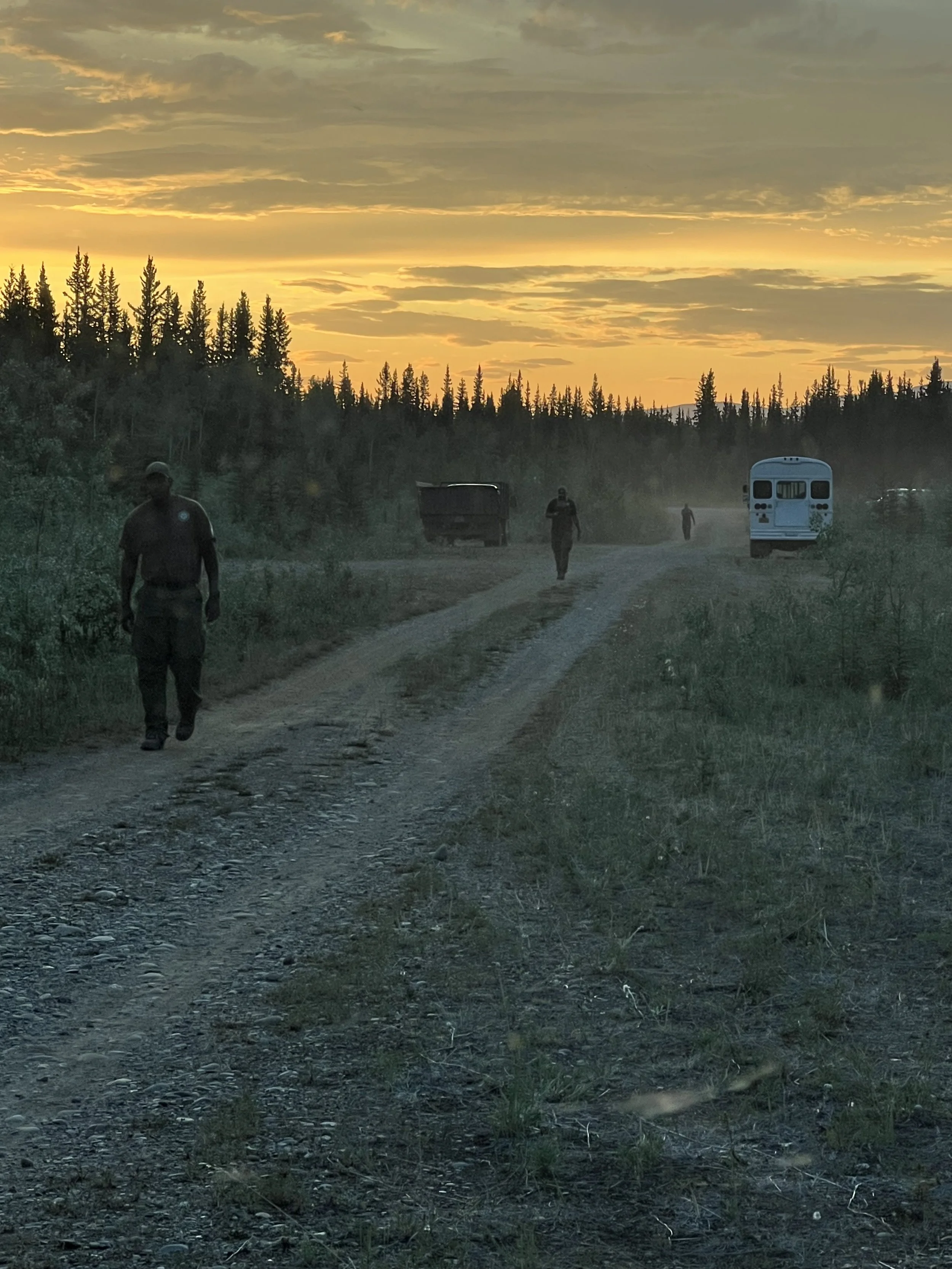
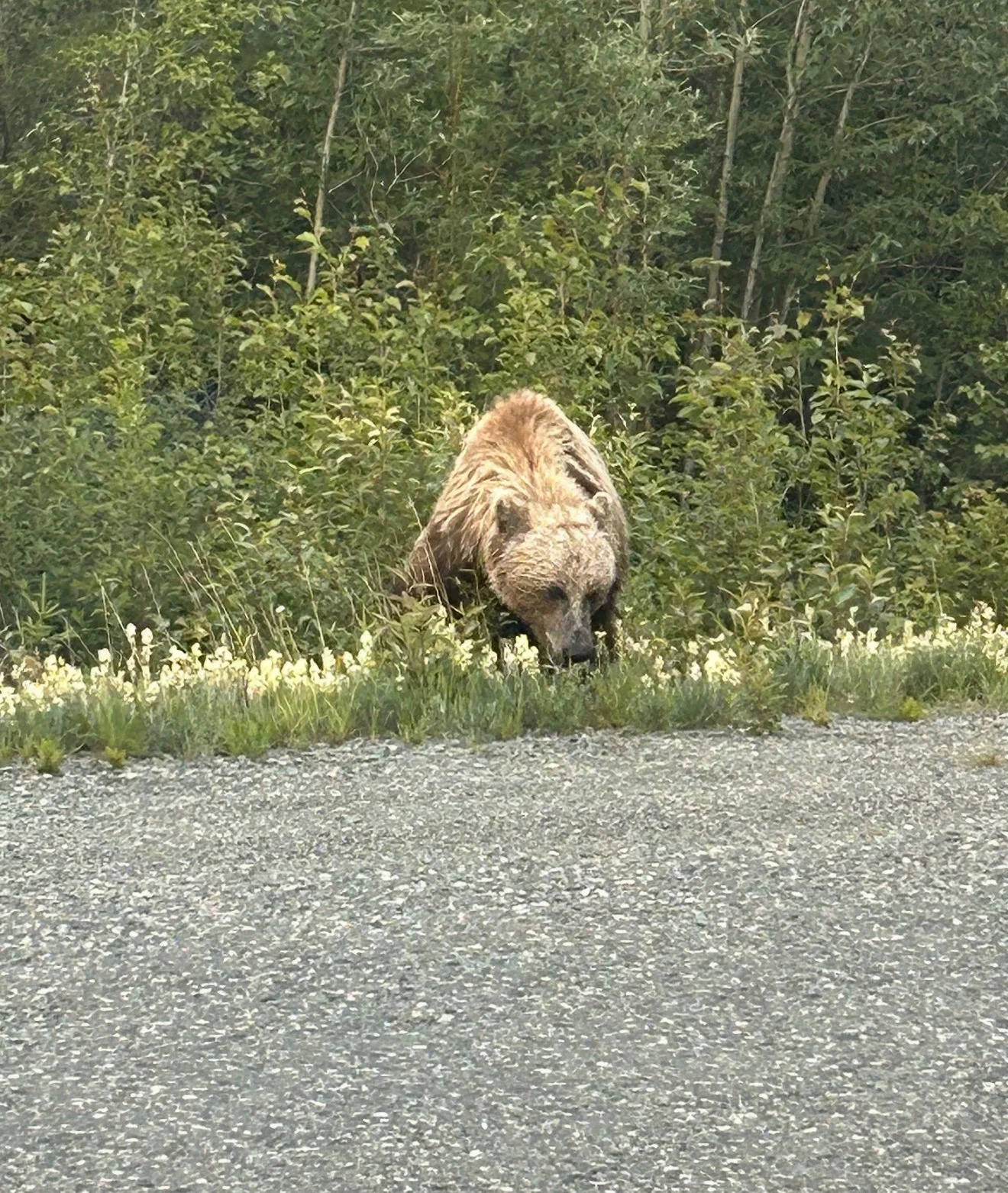
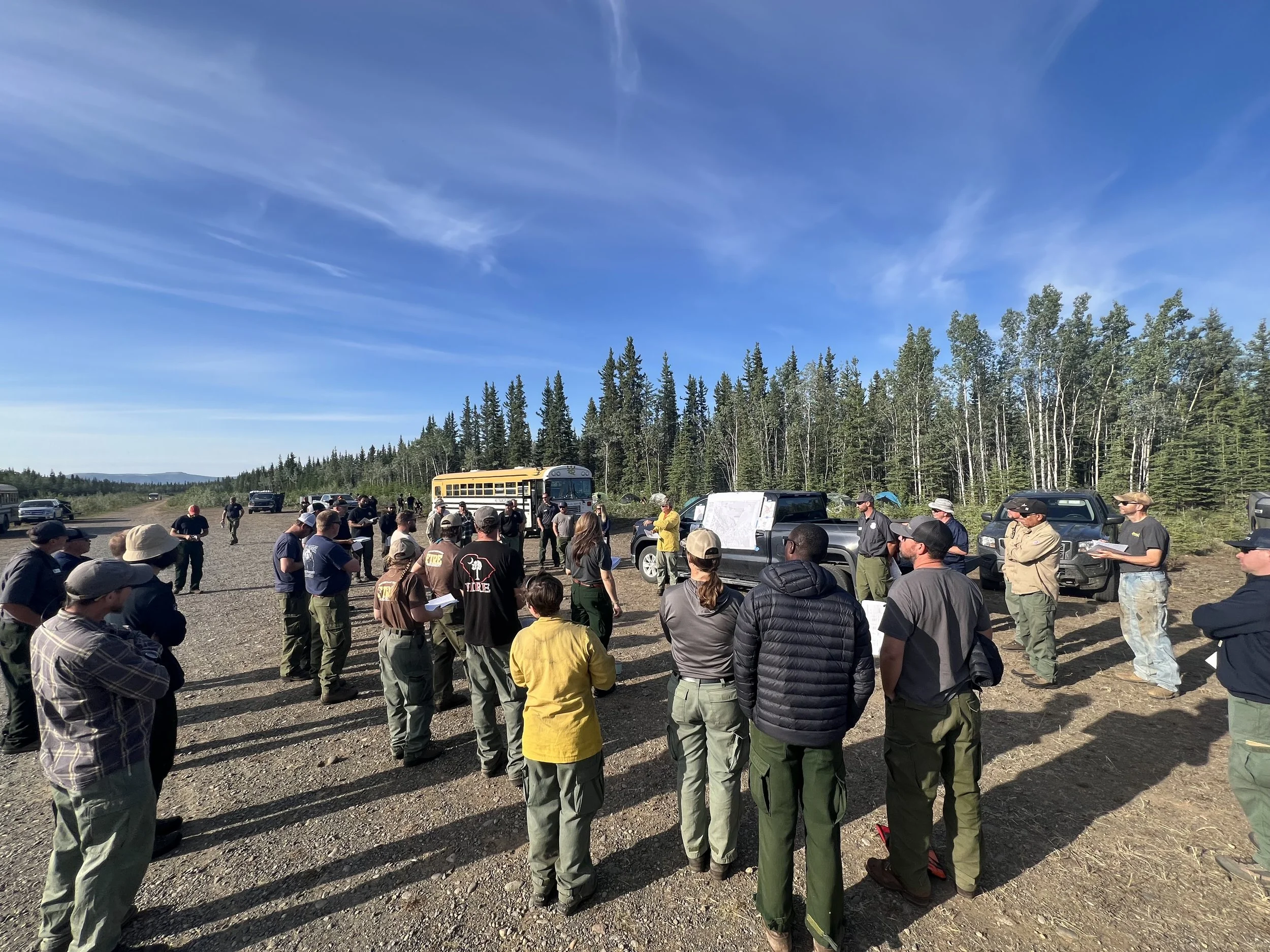
2025 was a big fire year for Alaska! With many wildfires across the state, crews from all across the lower 48 were called up to protect people and infrastructure from the fires. Tributary Research Consulting provided bear protection services to keep the firefighters and their camps safe during firefighting operations.
Do you need bear safety training or bear guarding services? Reach out today!
Contact us
Interested in working together? Fill out some info and we will be in touch shortly.